
Most people who sign up for dance classes want the same thing: to get better. What decides whether that happens is rarely talent. It is how often you show up and how you practise between classes. This is true whether you are learning salsa, Bollywood, hip-hop or contemporary, and it is the first thing worth understanding when you look for the best dance studio in Chennai for your goals.
This guide explains what regular practice does for your body and mind, how to build a routine that lasts, and what to look for in a studio that supports steady progress.
What Happens When You Repeat a Step Again and Again
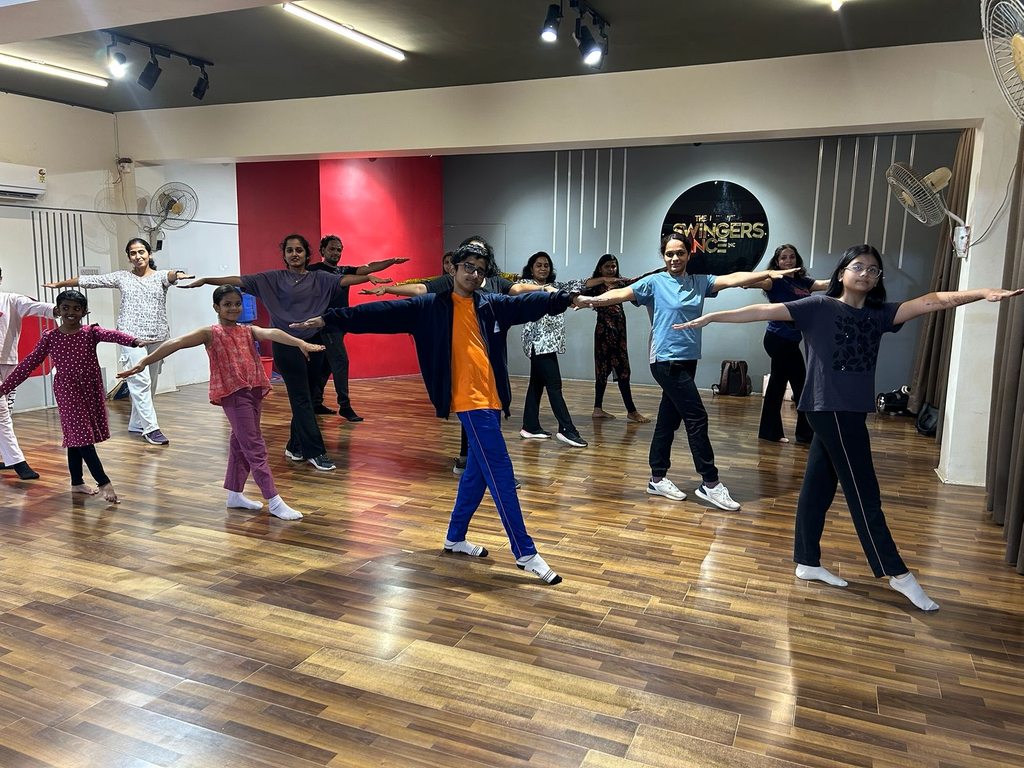
Dance is a physical skill, and physical skills are stored through repetition. When you repeat a movement, your brain strengthens the pathway that controls it. Over time, the step stops needing conscious thought and starts to feel automatic.
That is why a move that felt clumsy in week one can feel easy by week six. Nothing magical happened. Your body simply had enough repetition to learn it.
Why Three Short Sessions Beat One Long One
Short, frequent sessions teach your body better than one long session once a month. Three 30-minute practices in a week will usually do more for your timing and footwork than a single three-hour block. Your body needs rest between sessions to absorb what it learned.
Stamina and Flexibility Grow Quietly in the Background
Dance asks for a mix of cardio fitness, balance and mobility. These do not improve overnight. With regular classes, most dancers notice that they tire less during routines, hold positions longer and move with less stiffness. The change is gradual, which is exactly why skipping weeks slows it down.
What You Lose When You Skip Weeks
Taking long gaps between sessions often means starting over. You spend half of each class recalling what you already covered, and the instructor has to slow down to bring you back to the same point.
Irregular practice also affects confidence. When steps do not feel familiar, it is natural to hesitate or avoid the floor during partner work and group routines. Hesitation then becomes a habit that is harder to fix than the original gap.
Building a Routine That Survives a Busy Week
A routine only works if it fits your actual week. Aim for something realistic rather than ambitious.
Lock In Your Class Slot First
Pick fixed days and times for class, and treat them like any other appointment. Evening batches suit working professionals, while mornings work well for students and those with flexible hours. Choosing a studio close to home or work makes a bigger difference than most people expect, especially in a city with Chennai’s traffic.
Ten Minutes at Home Is Enough
You do not need a large space or special equipment. Ten to fifteen minutes at home is enough to revisit the basic step, a turn or a rhythm count from your last class. Focus on one thing at a time.
Here are a few simple ways to make home practice useful:
- Practise the basic step to music at a slow tempo before speeding up
- Use a mirror to check your posture and arm position
- Record a short clip and compare it with what your instructor showed you
Keep a Simple Progress Note
Progress in dance can be hard to see day to day. Keep a simple note of what you learned each week. After a month, reading it back shows how much you have actually covered, which helps on the days when motivation is low.
How Your Studio Decides Whether You Stay Regular
People rarely stay regular at a place they dislike attending. The environment, teaching style and batch structure all affect whether you keep going.
When comparing options for the best dance studio in Chennai, look at these practical points:
- Batches organised by skill level, so beginners are not rushed
- Instructors who correct technique rather than only demonstrate
- A clear progression from basics to more complex routines
- A welcoming atmosphere where mistakes are treated as part of learning
A good class makes you want to return. That alone does more for your progress than any single technique tip.
The Swingers Dance: Studios in Chennai and Bangalore
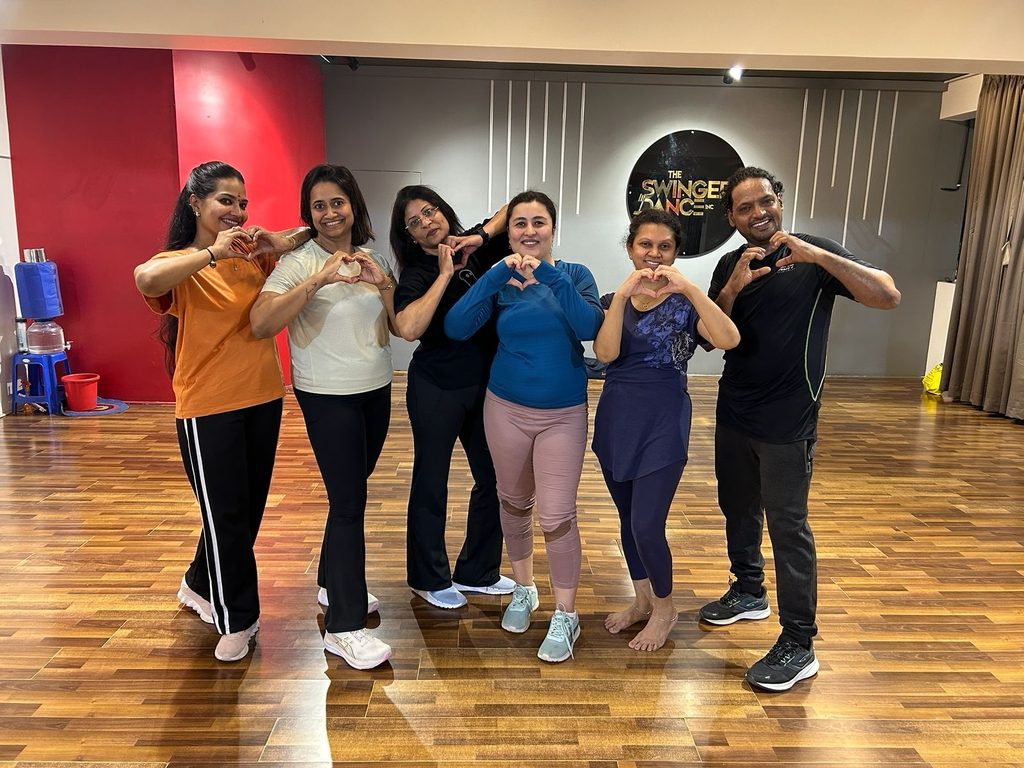
The Swingers Dance runs dance studios in two cities, Chennai and Bangalore. For anyone trying to stay regular, having a branch close to home matters, so here is where the studios are.
Kilpauk, Adyar and Kodambakkam in Chennai
The Chennai branches are in Kilpauk, Adyar and Kodambakkam. The corporate office is also in Kodambakkam, at 3rd Floor, No. 6/15, Gopala Menon Road, Chennai 600 024. Having three locations spread across the city makes it easier to pick one that fits your commute, which is often what decides whether a weekly class actually happens.
Indiranagar and Koramangala in Bangalore
In Bangalore, the studios are in Indiranagar and Koramangala. This is useful if you travel between the two cities or are likely to relocate, since you can continue with the same studio instead of starting somewhere unfamiliar.
Why a Structured Class Beats Random Practice
Structured classes give practice a direction. Instead of repeating random steps, you work through a sequence that builds on itself. This is one reason many learners prefer a professional setup over informal practice with friends.
Whichever studio you consider, attend a trial session and watch how the instructors teach, how they correct mistakes and how the group feels. The best dance studio in Chennai for you is the one where you look forward to the next class.
Why Salsa and Bachata Punish Missed Classes

In styles like salsa and bachata, you rely on another person to lead or follow. Rotating partners in class teaches you to adapt, and that skill only develops when you attend often enough to practise with different people. Missing classes means missing that exposure.
The Class That Notices When You Are Missing
Dancing alongside others creates gentle accountability. When classmates expect to see you, you are more likely to turn up on a tired evening. Many dancers find that the social side becomes the reason they stay long after the initial excitement fades.
Four Things That Usually Stop Dancers From Staying Regular
- Lack of time. Shorter practice sessions count. Even ten minutes of focused work is better than none.
- Feeling stuck. Plateaus are normal. They usually appear just before a noticeable jump in skill, so this is the worst time to stop.
- Comparing yourself to others. Every learner starts with a different background. Measure yourself against your own earlier classes, not the person beside you.
- Minor soreness or fatigue. Rest when your body needs it, and speak to your instructor if something feels painful. Consistency does not mean ignoring your limits.
How Long Until It Starts Feeling Easy?
There is no fixed timeline, and anyone who promises one is guessing. Progress depends on your starting point, how often you attend and how much you practise outside class. What most learners can expect is that the early weeks feel awkward, the middle weeks bring small breakthroughs, and the later months bring a real sense of ease.
The key is to judge progress over months rather than days.
Book a Trial, Then Give It a Month
Dance rewards the people who return. Regular classes, short home practice and a studio you actually enjoy attending will take you further than occasional bursts of effort.