
You walk into a dance class, learn a short sequence, and then do it again. And again. Ten minutes later, you are still on the same eight counts and wondering if the teacher forgot the rest of the song.
If this sounds familiar, you are not alone. Almost every beginner feels this way in the first few weeks. The good news is that this repetition is not a waste of time. It is the main reason dancers look smooth and relaxed on stage. In this post, we will explain why dancers practise the same eight counts repeatedly, what it does for your body and mind, and how a good dance academy in chennai can guide you through it.
What are eight counts in dance?
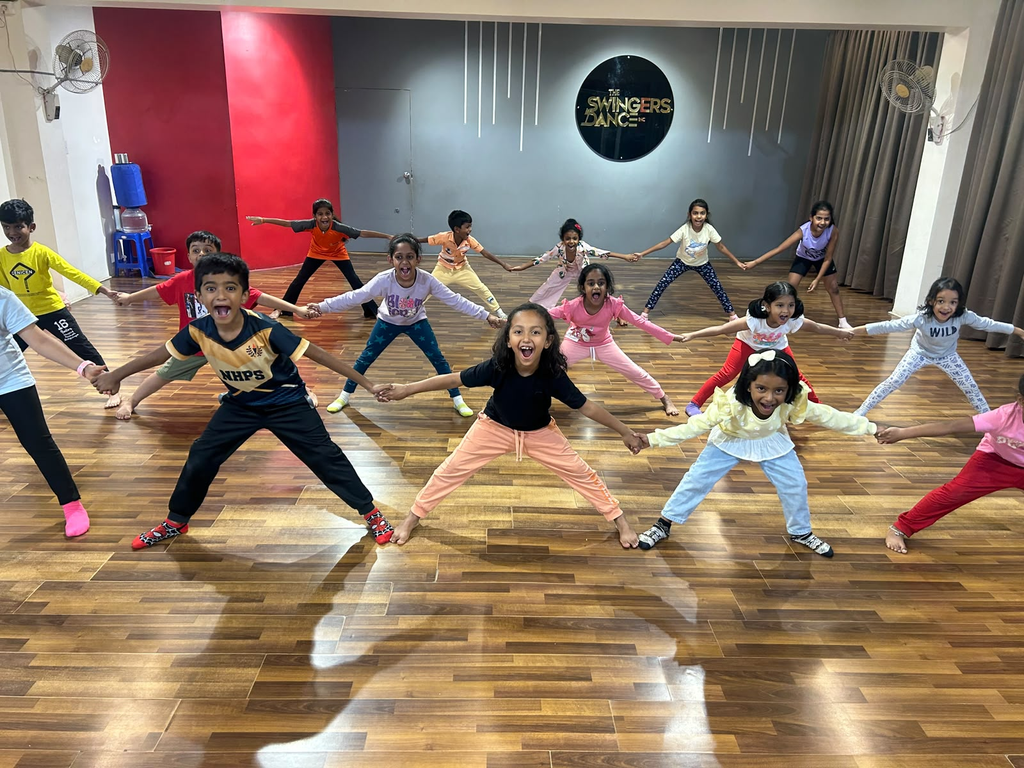
Most choreography is built in small blocks. A block usually has eight counts, which means eight beats of music. Think of it like a short sentence. A full dance is a paragraph made up of many such sentences.
When your teacher says “five, six, seven, eight”, they are counting you into the next block. Splitting a song this way makes it easier to learn. Instead of trying to remember three minutes of steps, you only have to remember one small piece at a time. Then you join the pieces together. That is how even long and tricky routines get learned.
Repetition builds muscle memory
When you try a new step, your brain has to think about everything. Where does the right foot go? Which hand moves first? Are you facing the front or the side? It takes a lot of effort, so the step feels slow and clumsy.
Each time you repeat it, your brain and body get a little better at the pattern. After enough rounds, the step starts to happen on its own. This is what people call muscle memory. You stop thinking about your feet and start thinking about the music, the feeling and the expression on your face.
This is why a dancer can look calm while doing something difficult. The hard part was done in the practice room, not on the stage.
It teaches timing and rhythm
Many beginners know the steps but land them a little early or a little late. Repeating the same eight counts helps you listen to the music properly. You start to hear where the beat sits, where the pause is and where the music lifts.
After a few rounds, you stop chasing the music and start moving with it. Good timing is often the difference between a dancer who looks fine and a dancer who looks great. It is also hard to learn without repetition, because you need to hear and feel the same beat many times before it sinks in.
Small details get cleaner with each round
In the first round, you are just trying to get through the steps. By the fifth or sixth round, you can start fixing smaller things. Maybe your knees are not bending enough. Maybe your shoulders are creeping up. Maybe your arm is a little too low.
Your teacher might say “once more” and it can feel annoying. But every round is a chance to fix one thing. Dancers who improve quickly usually pick one detail per round instead of trying to fix everything at once.
Repetition builds confidence
Stage fear is real, even for people who dance well in class. Nerves can make your mind go blank. When a routine has been repeated hundreds of times, your body still knows what to do even if your mind goes quiet for a moment.
That is a very calming feeling. You walk on stage knowing you have done this many times before. It could be a school annual day, a wedding sangeet or a team event at work. Either way, trust in your own practice makes a big difference. A good dance academy in chennai builds this trust into every class, one small block at a time.
Why repetition does not have to be boring
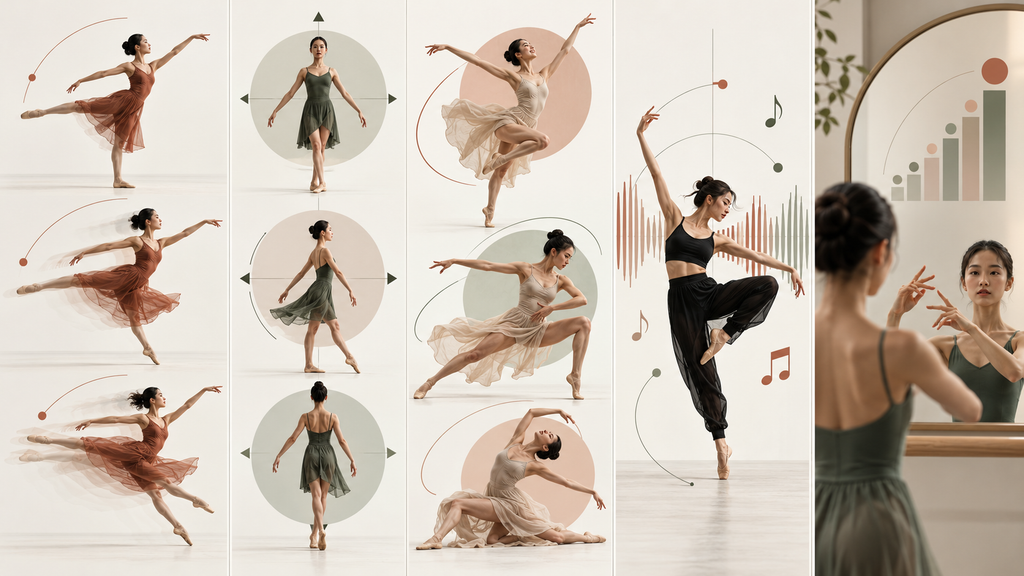
Let’s be honest. Doing the same thing over and over can get dull. Good teachers know this and keep things fresh in a few simple ways.
- They change the speed. First slow, then normal, then a little faster.
- They change direction. You face the front, then the back, then the side.
- They add feeling. The same steps, but now with a smile, a stronger hit or a softer flow.
- They use music. A step that feels hard without a song often feels easier with one.
- They give small goals. For example, “this round, only think about your hands.”
These small changes keep your mind busy, so you improve without feeling stuck.
How to practise eight counts at home
You do not need a big room. A small space and ten minutes of practice a day is enough.
- Start slow. Do the eight counts at half speed without music.
- Count out loud. Say “one, two, three” until the order feels clear.
- Add the music. Once the steps feel steady, play the song.
- Record yourself. A short video on your phone shows what you cannot see in the mirror.
- Rest when you need to. Tired legs make messy steps, so stop when your form starts to slip.
Short and regular practice works better than one long session once a week. Home practice also works best when you keep attending class, because a teacher at a dance academy in chennai can spot mistakes that you cannot see yourself.
Who benefits from this kind of practice
Almost everyone does. Kids learn focus and body control. Teens gain confidence and learn how to take feedback without feeling bad. Adults get a good workout and a way to switch off from work stress. People preparing for a wedding dance end up with a routine they can perform without panic.
Even people who join only for fitness notice that they improve faster when they repeat small sections instead of rushing through the whole song. It is the same idea in every case. Small pieces, done many times, lead to a big result.
What to look for in a dance academy in chennai
Not every class teaches repetition well. When you check out a dance academy in chennai, look for these things.
- Teachers who break steps into small parts and explain why you are doing them.
- Batches that match your level, so you are not lost or bored.
- A free trial class, so you can see the teaching style before you pay.
- Clear details about fees, timings and batch sizes.
- A friendly room where nobody laughs when you make a mistake.
If you can, visit the studio, ask questions and see how the teacher talks to students. You will learn a lot in ten minutes.
Learning with The Swingers Dance
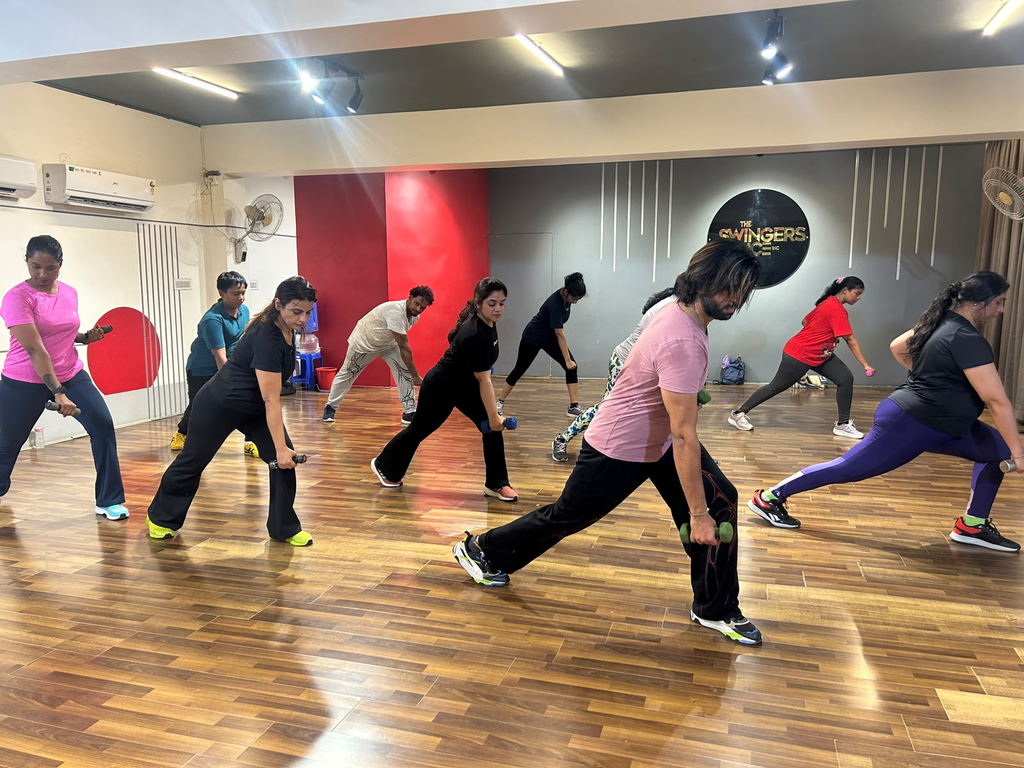
If you want a dance academy in chennai that welcomes complete beginners as well as trained dancers, The Swingers Dance is worth a visit. The studio runs classes for toddlers, juniors, teens and adults. It also offers dance fitness, wedding dance and corporate sessions, so there is something for almost every age and goal.
You can learn styles such as Bollywood, hip-hop, contemporary and salsa classes in Chennai from a faculty team trained across India. In Chennai, classes are held at Kilpauk, Adyar and Kodambakkam, with studios in Bangalore too. The team also offers a free trial session, so you can experience their teaching style, practise movements through repetition and understand your progress before deciding to join.
Start with one small step
The next time your teacher repeats the same eight counts, try to enjoy it. Each round is quietly making your body stronger, your timing sharper and your confidence higher. Nobody becomes a good dancer in a day, but nearly everyone becomes a better one with steady practice.
If you are ready to begin, pick a dance academy in chennai that makes you feel comfortable, book a trial class and give it a few weeks. You may be surprised by how far a few simple counts can take you.